


Gum disease is a severe oral health condition that requires ongoing treatment from your Garran dentist. Without treatment, you’re at risk for tooth loss. Studies have also linked gum disease to heart health issues, lung problems, specific types of dementia, rheumatoid arthritis, and pregnancy complications.
Of course, gum disease is typically caused by poor oral hygiene and lack of dental care, but there are genetic factors that may increase your risk of developing this condition.
What Is Gum Disease
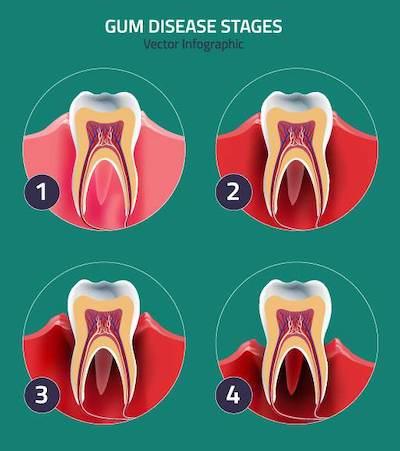
Gum disease is an advanced stage of gingivitis. However, gingivitis can be reversed, but gum disease is only treatable.
If you have gingivitis, it means infections in the tissues that surround the teeth. Gum disease means that infections and inflammation have invaded the bone.
Symptoms include:
- Bleeding gums when brushing or flossing
- Bad breath that recurs despite brushing and flossing
- Loose, shifting, or mobile teeth
- Elongated appearing teeth due to gum recession and pocketing
To catch gum disease in the gingivitis stage, you must visit your dentist regularly for dental check-ups. And teeth cleans help reduce your risks.
 Genetics and Other Risk Factors
Genetic factors like family history and genetic makeup can increase your risk of developing gum disease. However, you can mitigate these risks with diligent dental care and an excellent oral routine at home.
Other risk factors include:
- Lack of dental care
- Poor oral hygiene
- Smoking and tobacco use
- Hormonal changes
- Diabetes
At every dental visit, your dentist assesses your gum health to ensure you’re not in the early stages of gum disease. So, remember to book regular appointments for preventive dentistry (dental exams and teeth cleans).
Is It Time for Your Next Dental Check-Up?
If you have not booked an appointment with the dentist in a while or if it’s time for your regular exam and teeth clean, reach out to a helpful dental team member today to arrange a visit.